Science-driven, community-grounded solutions for a thriving planet.
Safeguarding Ecosystems and Strengthening Environmental Governance
We support clients in managing natural resources responsibly while strengthening institutions and empowering communities. Our work bridges technical rigor, policy innovation, and local ownership.
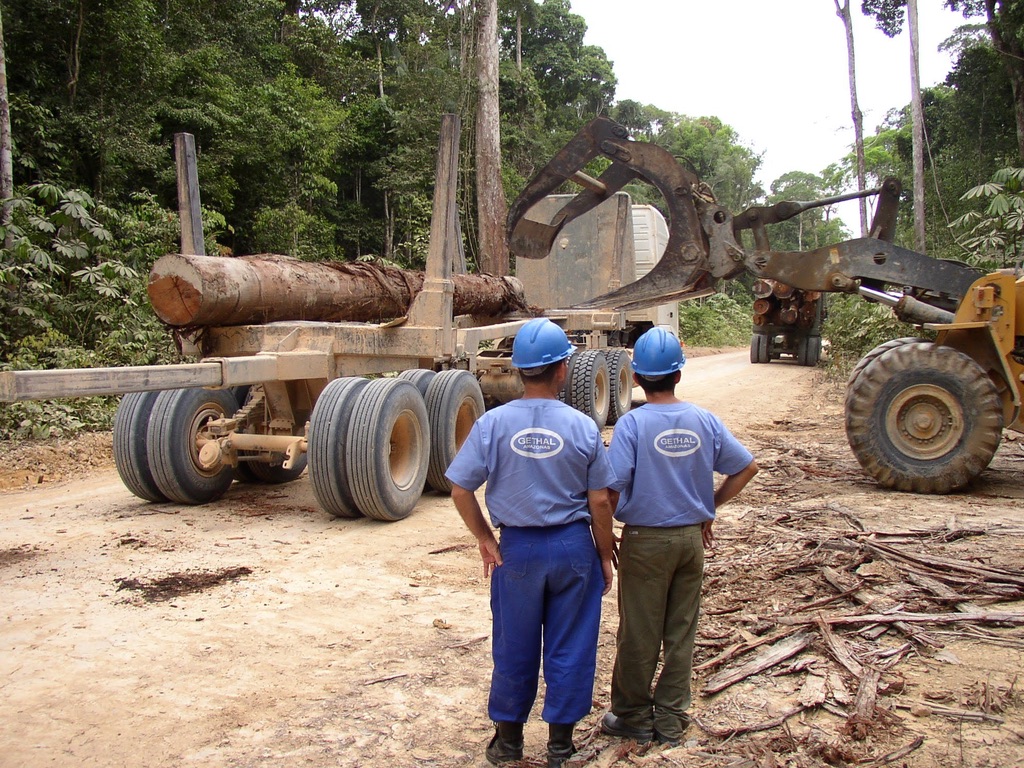
Biodiversity Conservation
Landscape-level ecosystem planning
Community co-management and monitoring
Nature-positive investment screening
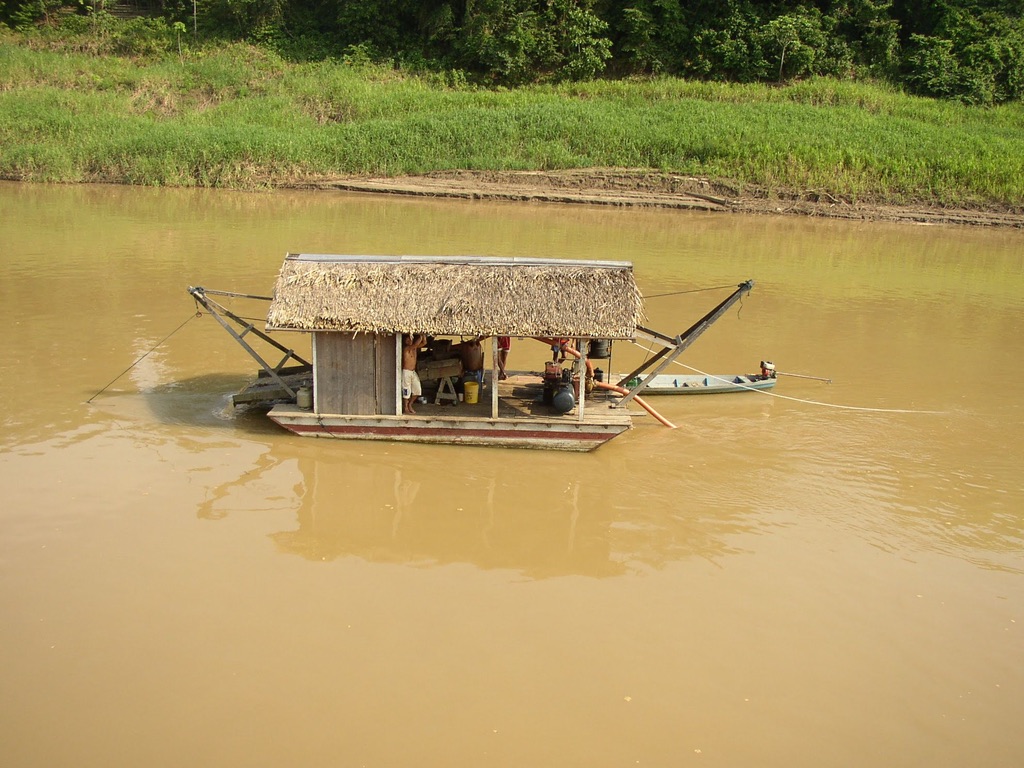
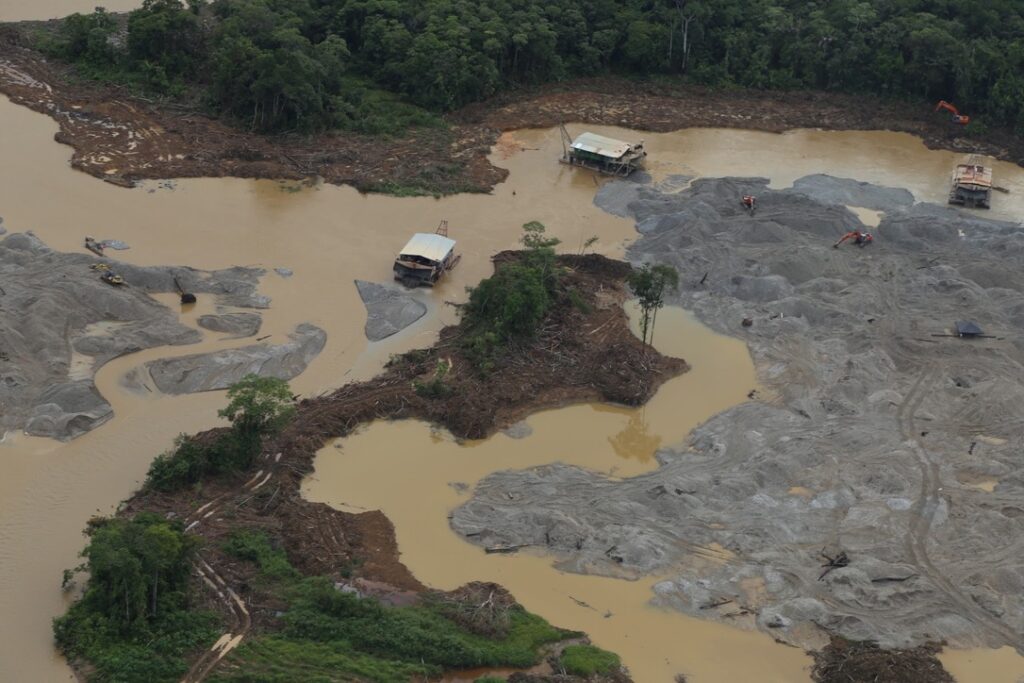
Responsible Mining
Environmental and social risk assessments
Mine site audits and grievance mechanisms
Oversight for tailings, water, and land use
Environmental Governance
Environmental law and policy reform
Capacity building for regulators and civil society
Environmental justice and community advocacy
Case Study: Regenerating Land and Livelihoods through Beekeeping in Colombia and Brazil
Location: Colombia & Brazil Thematic Focus: Nature-Based Solutions, Gender Equity, Land Restoration
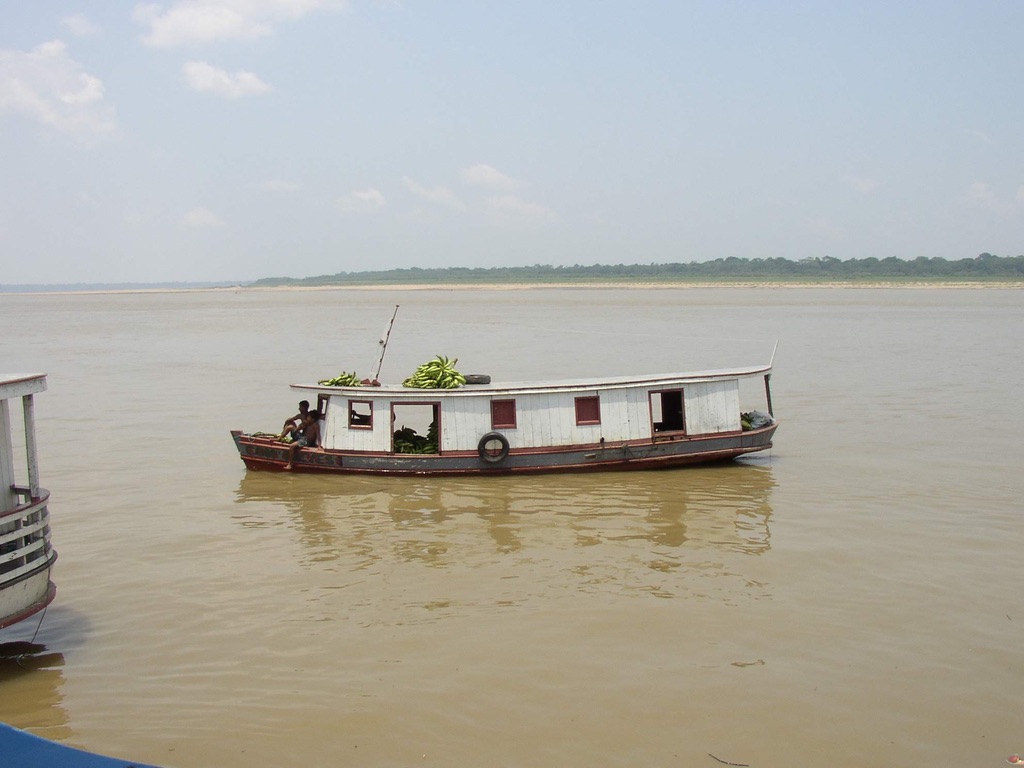
In both Brazil and Colombia, stark income inequality persists—particularly in remote Amazonian regions where many communities rely on subsistence farming, fishing, or informal mining. Women and youth face the greatest barriers to formal employment, with poverty fueling broader issues like landlessness, informal settlements, and even infanticide in some areas.
Emily worked with rural communities and local partners to develop environmentally sustainable livelihoods that generate income while restoring degraded landscapes. Initiatives included medicinal plant cultivation, sustainable timber, and beekeeping—a nature-based activity uniquely accessible to women without land rights.
In Colombia, beekeeping was paired with the reforestation of degraded mining sites using fast-growing acacia trees, which not only thrived in poor soils but created habitat essential for honey production.
The acacia trees regenerated the land while supporting healthy bee populations. As honey yields increased, women gained stable income from a portable, low-cost enterprise. The initiative became a replicable model of how economic empowerment and ecological restoration can go hand-in-hand—especially in fragile, post-extractive landscapes.
“With the bees, we gained more than income—we found purpose and pride in restoring our land.” — Community beekeeper, Magdalena region, Colombia